
 Safe Patient Handling
  Gold Rollboards
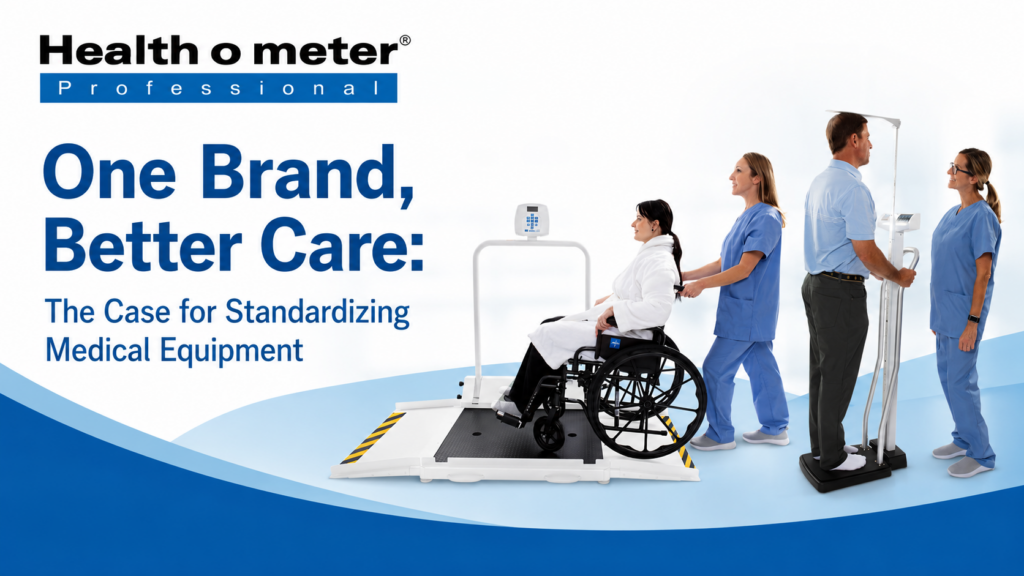
The average hospital system works with dozens of equipment manufacturers, each with its own training requirements, service contacts, and parts inventories. Yet despite this complexity, the strategic value of standardizing to a single manufacturer for a given equipment category is frequently overlooked. Committing to one trusted brand can improve operational efficiency, reduce staff burden, and support regulatory compliance. For healthcare organizations navigating new Americans with Disabilities Act (ADA) requirements and ongoing cost pressures, the case for standardization has never been stronger.
Consistency That Empowers Staff and Serves Every Patient
Clinical staff are expected to operate a wide variety of equipment across departments and shifts. When a facility standardizes to a single equipment brand, caregivers develop reliable familiarity with the devices they use daily. Whether moving between patient floors or rotating through specialty areas, staff can act quickly and confidently, reducing errors, saving time, and improving the patient experience.
This consistency is especially important when it comes to ADA compliant products. As healthcare organizations acquire devices to meet the new ADA standards for medical diagnostic equipment, it's advantageous for buyers to purchase compliant products from the brand they know and trust. Additionally, part of the new ADA guidelines for medical equipment state that staff must know how to use the equipment with disabled patients. By using a standardized brand, staff already understand how to operate the devices, making training on new accessible models seamless rather than a separate process tied to an unfamiliar manufacturer.
Unified Training, Simplified Support, and Built-In Accessibility
Standardizing to one brand dramatically simplifies vendor management and internal support. Rather than navigating multiple manufacturer relationships, administrators can partner with a single team to deliver consistent, site-specific support. Standardizing on one manufacturer and product line also simplifies purchasing and eliminates duplicate orders.
The benefits of standardization extend to biomedical engineering and facilities management teams as well. When equipment across a facility shares a common platform and manufacturer, troubleshooting is faster, preventive maintenance is easier to coordinate, and spare parts inventories are simpler to manage, reducing downtime and lowering long-term operational costs.
This unified approach also makes it easier to stay current with ADA requirements. Regulations around accessible medical equipment continue to evolve, and working with a manufacturer that offers a comprehensive portfolio of compliant products, along with a knowledgeable support team, means facilities can address accessibility gaps proactively. Representatives can help identify which departments may be underserved with accessible options and recommend the right products to close those gaps.
Brand representatives can also support inventory and maintenance teams in evaluating the status of existing equipment, establishing service schedules, and identifying when aging scales should be replaced. This level of ongoing partnership supports long-term efficiency and potential cost savings across the organization.
How Health o meter® Professional Scales Supports Standardization
Health o meter® Professional Scales and its network of more than 100 field representatives work closely with hospital systems, skilled nursing facilities, and integrated delivery networks to guide organizations through the standardization process. Every engagement begins with a thorough facility assessment, exploring questions such as:
- Are current scales meeting the clinical and operational needs of each department?
- Are workflows optimized for staff efficiency and patient throughput?
- Is the facility compliant with the new ADA medical diagnostic equipment requirements?
One manufacturer, one support team, and one broad product line to meet the diverse needs of every patient and every care setting. With a comprehensive portfolio, including multiple ADA compliant options, Health o meter® Professional Scales is uniquely positioned to support true facility-wide standardization.
Standardization can also extend beyond scales. Health o meter® Professional is part of Pelstar LLC, which also owns and operates Bridge Healthcare, a provider of safe patient handling products, including lateral transfer and repositioning solutions. This means Pelstar representatives can work with your facility to evaluate and standardize across both weighing and patient handling needs, simplifying vendor relationships even further and creating a more cohesive, safer care environment.
Ready to make healthcare weigh easier? Health o meter® Professional Scales is ready to help your organization simplify operations, strengthen accessibility, and build a smarter, more standardized care environment. Visit www.homscales.com or call 1-800-815-6615 to connect with a representative today.